Moving from field studies to ex vivo models for understanding and predicting toxicological responses to multiple stressors in marine mammals

forskningsartikkel
Phthalate contamination in marine mammals off the Norwegian coast
Marine Pollution Bulletin 2023
oversiktsartikkel
konferanseinnlegg
Research in Norway: 2021-2024
2024-06-10
foredrag
Forskning på miljøgifter i isbjørn
2023-02-02
masteroppgave
Optimization of in vitro and ex vivo models to study the impacts of persistent organic pollutants on marine mammal adipose tissue
Presses universitaires de Louvain 2025-08-13
Development and Application of an Ex Vivo Adipose Tissue-based Model from Cetacean Blubber Biopsies to Study Impacts of Stress Hormones
UiT Norges arktiske universitet 2025-09-01
Ex vivo impact of persistent organic pollutants on pig adipose tissue
Presses universitaires de Louvain 2025-08-13
ExhibitionProduction
konferanseposter
intervju
Polar bears shed light on Arctic pollutants
newspapers, journal, internet 2025-06-02
Den forgiftede hvalen Elida
web, social media 2025-07-01
Des scientifiques belges se jettent à l’eau pour étudier les baleines
La Libre Belgique 2025-02-19
Polar bears shed light on Arctic pollutants
newspapers, journal, internet 2025-06-02
Outreach video to promote the MSc project of Veslemøy Mantor
Social media 2025-03-03
From Sea to Lab: Using innovative methods to study large marine mammals
Web, social media 2025-03-03
MediaParticipationInRadioOrTv
populærvitenskap
LA SANTÉ DES ORQUES ET BALEINES À BOSSE SOUS HAUTE SURVEILLANCE
Daily Science 2025-03-31
OtherPresentation
Funding: The Research Council of Norway (the Polar Research program).
Partners: Akvaplan-niva (lead), University of Bergen, the Norwegian Polar Institute, UiT The Arctic University of Norway, the Norwegian Institute for Air Research (NILU), the Norwegian Institute for Water Research (NIVA), Institute of Environmental Assessment and Water Research (CSIC) Spain, Universite Catholique de Louvain (Belgium), University of Abertay.
Primary and secondary objectives of the project:
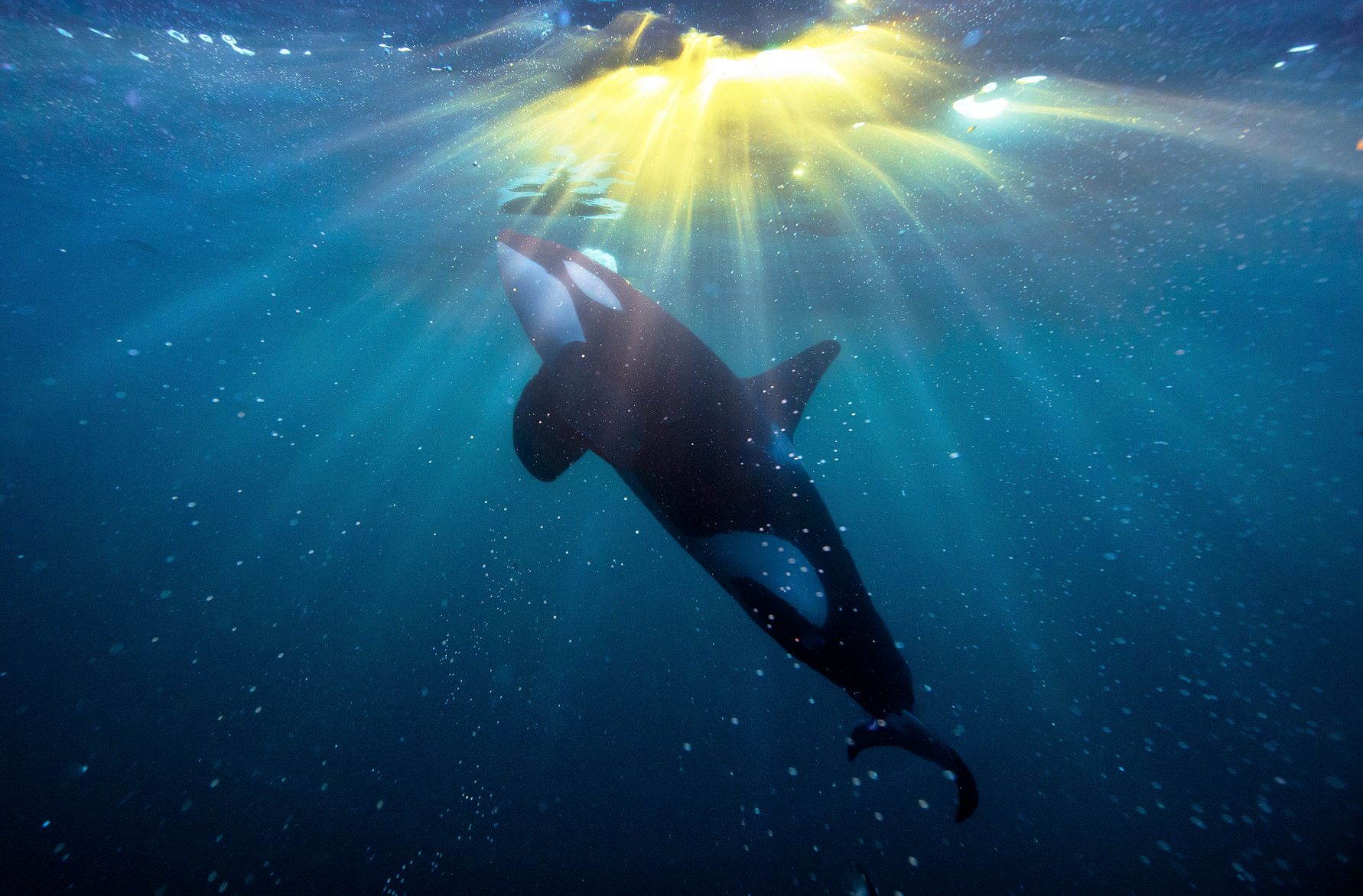
We will combine experimental and field-based studies, together with the application of toxicogenomic approaches to understand toxicological responses to multiple stressors in marine mammals. We will develop an alternative methodology through an ex vivo precision-cut adipose tissue slices model for killer whales and polar bears, and use it to characterize genome-wide transcriptional and lipidomic responses to pollutants and stress. In parallel, we will conduct correlative field studies to assess potential combined effects with pollutants and stress related to climate change for polar bears and whale tourism for killer whales. The parallel study design enables direct comparisons between both approaches, to examine whether responses observed ex vivo can be also reflected in correlative field studies. We will communicate scientific knowledge generated by the project to a large audience including the scientific community, the public (focusing on young people) and relevant stakeholders.
The Research Council Norway project page: https://prosjektbanken.forskni...
Photo: Audun Rikardsen