Pre-surveys
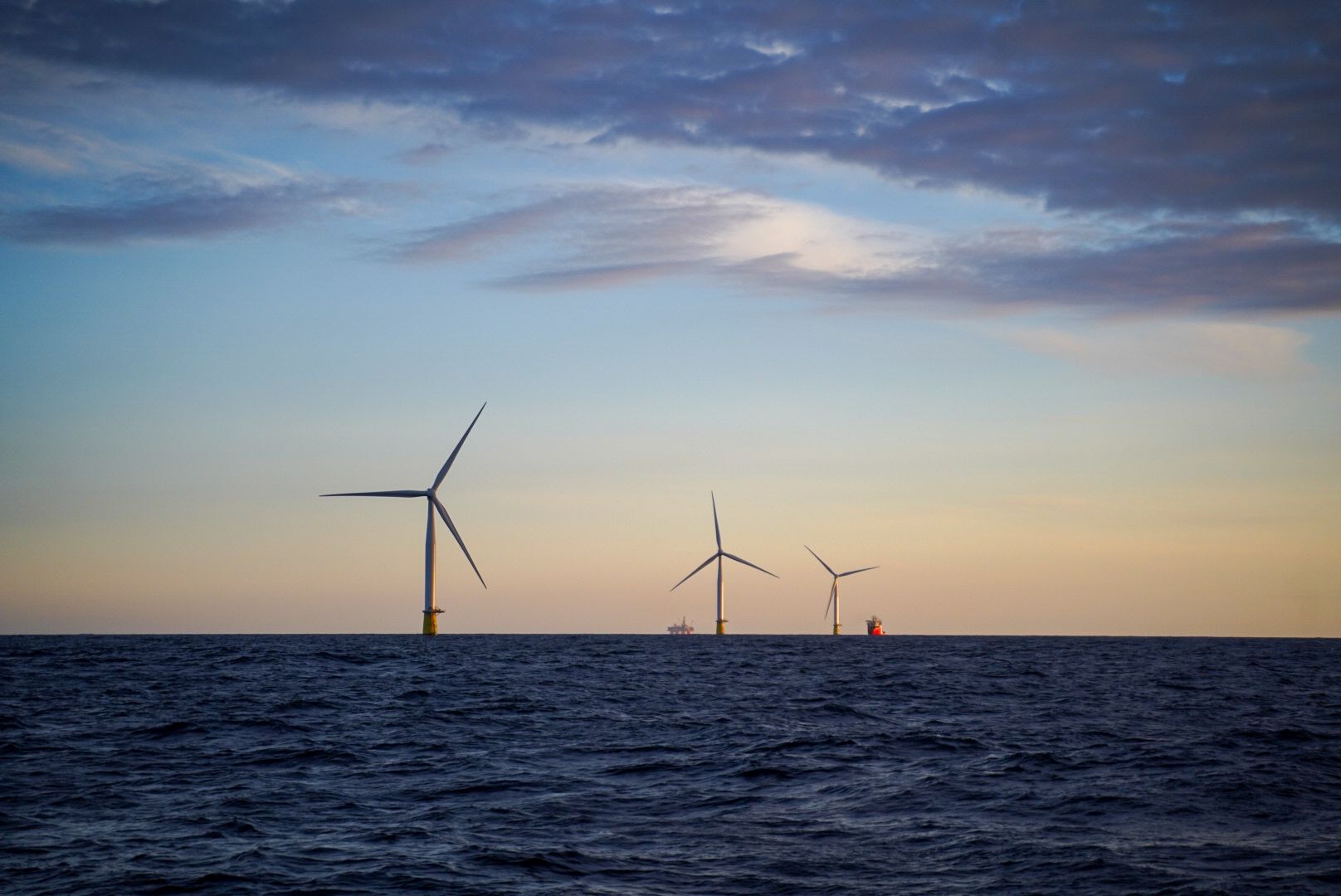
Pre-surveys documents the conditions in the environment before anything is done there and serves as a reference and basis for future environmental monitoring. Akvaplan-niva conducts preliminary investigations for all types of activities in marine and freshwater environments. We can also assist in application processes related to permits for the implementation of measures or the establishment of, for example, aquaculture facilities.
Environmental monitoring
Akvaplan-niva develops and implements tailor-made monitoring programs for various industries and for national environmental authorities. We are accredited for several types of surveys and have good knowledge of marine and coastal areas along the Norwegian coast and Svalbard, as well as freshwater systems. By close links between research and consulting, we ensure that monitoring is always based on up-to-date knowledge.
We are at the forefront of using new technology for efficient, flexible and climate-friendly collection of environmental data. This includes the use of remote sensing, autonomous and remotely operated vessels, advanced sensors and integrated monitoring solutions. By combining field data, sensor data, earth observation and modeling, we can document environmental conditions and changes over larger areas and over long time-span. See more here: [Autonomous ocean observing systems} (https://akvaplan.no/en/tjeneste/autonome-og-fjernstyrte-fartoy/01hwq488c0jwf53d4cev9957ze).
Contaminated sediments/ Contaminated soil
We conduct surveys, source tracing, risk and remediation assessments related to pollution in sediments, water and biota, as well as contaminated soil.
B, C and ASC surveys
B and C surveys are statutory environmental monitoring programs for marine aquaculture facilities to map how operations affect the seabed. Akvaplan-niva is accredited for B and C surveys according to TEST 079. We have our own biology lab that is accredited for analyses of fauna samples and our chemistry lab is accredited for several types of analyses in sediment. An approval according to the ASC standard (Aquaculture Stewardship Council – Salmon Standard) provides aquaculture operators with a certification as proof of environmentally friendly and responsible management of the site. Akvaplan-niva conducts environmental surveys in accordance with the requirements of this standard.
Visual bottom mapping/ vulnerable habitats
Norway lacks knowledge about occurrences of important vulnerable marine species and habitats along large parts of the Norwegian coast. In connection with developments or establishment of aquaculture in the sea, there is therefore often a requirement to map such occurrences. Akvaplan-niva has special expertise in visual mapping of vulnerable species and habitats and we also tailor monitoring programs based on updated research.
Shoreline zone surveys
The shoreline zone is an important habitat and nursery area for a number of species. Development and human activity in these areas can affect the biodiversity and environment in this transition zone. Akvaplan-niva is accredited for biological surveys of littoral and sublittoral hard bottoms, as well as professional assessments and reporting.
Eelgrass
Monitoring eelgrass (Zostera marina) is important because eelgrass beds are among the most valuable and vulnerable marine habitats in the coastal zone and a good indicator of environmental condition. Akvaplan-niva uses underwater cameras to delineate the vegetation and assess condition. If necessary, data is supplemented with visual observations via snorkelling.
Seabirds and sea mammals
Seabirds and marine mammals along the coast are affected by both climate change and various types of human activity. It is therefore often necessary to map which areas are most important for different species, so that mitigation measures can be implemented. Akvaplan-niva conducts seabird and sea mammals surveys and identifies mitigation measures for all types of measures in the coastal zone.
In this we build on our interdisciplinary research projects where we combine our expertise in ecology, physiology, and toxicology to investigate how rapid environmental changes and anthropogenic impacts affect seabirds and sea mammals and their habitats.
Several of our advisory services are accredited according to NS 17020 and 17025.